

When summers hot temperatures slow lake fishing load up a backpack with essential tackle, pack rods and reels and a lunch and head for the high country.
Hiking to high elevation lakes and streams holds treasures to last all summer. Brooke trout, cutthroats, rainbows, arctic grayling – pick the right fly or spinner and enjoy.
Trails to lakes around 9500 to 10-thousand feet usually open up mid-June to early July. The fish will be ready. After all, they have had little to eat since the first snow fall last October.
There are plenty of options and tackle but in this article, let’s focus on some basics, gear you may already have in your tacklebox or boat.
The Backpack
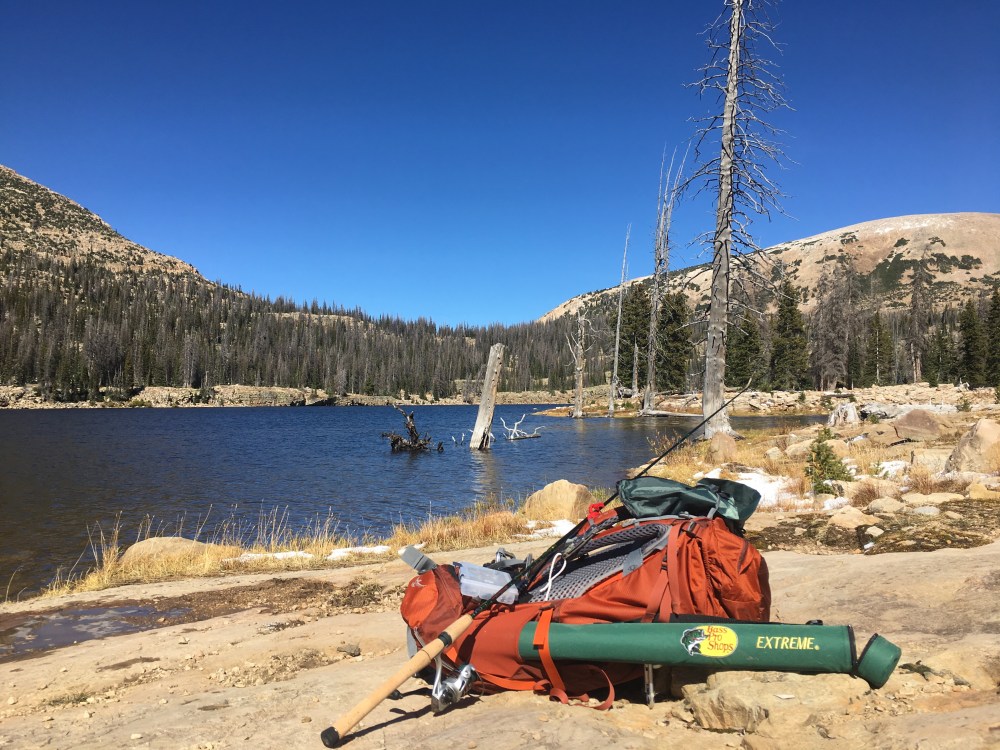
A good suspension system is paramount for comfort. It should also have enough space to hold some snacks, plenty of water, small first aid kit, rain gear, tackle and a spinning reel, fly reel or both and packable rod tubes. Keep a current copy of a map with the mountain area you intend to hike with the route marked. A GPS will be invaluable too.
Backpacks which have side pockets are best for strapping rod tubes securely onto the pack. One end fits into the pocket, compression straps will hold the rod in place throughout the hike, especially navigating through dense brush or aspens.
Pack Rods
Several manufacturers offer pack rods from ultra light to medium heavy action. For smaller trout typically found at higher elevation lakes keep the rod light and sensitive. The case should be hard-sided with a strap to secure it to your pack. Three and four piece rods will typically have smaller sections making them an easier fit inside a day pack.
The fly rod expert at my local tackle shop convinced me to buy a nine foot fly rod over a shorter one when I was considering several models. The eight foot six inch rods did not have the reach and presentation the longer ones had. I could delicately place my fly right where I wanted it. So I bought a new nine foot five weight rod.
Telescopic pack spinning rods fill a niche for less space and quick bait in the water action. Many telescoping rods are softer and lighter. In other words, they are considered ultralight tackle. Some rod kits offer both spinning and fly reels for a single rod.
Tackle options
Over the years we collect all types of tackle due to what other anglers suggest to catch more fish. If a spinning rig is your preference pack spinners. These thin-air fish eat insects, invertebrates, and other fish. They are not familiar with dough baits. They do like plastic jigs though.
Include some medium weight tippet, four to six pound test and some swivels and clear plastic bubbles. An effective tactic for subtle presentations, a bubble filled half full with water will deliver a fly further toward rising fish. The bubble will slide along the line. Tie about 24-inches of tippet to a swivel below the sliding bubble and then tie on a fly. The bubble makes it easy to cast the fly and keep it on the surface because the bubble won’t sink.
Your local tackle shop can help with the best flies to aid in a successful trip. Typically, royal coachman, adams ant, mosquitoes, small woolly buggers and a couple of terrestrials should round out the mix. For spinning tackle keep it small. Silver, gold, red and black spinners will all offer the flash to attract fish. Four to six pound test line on a small reel is plenty. Plus, a bigger reel means more weight in the pack and on your back.
Lastly, any wilderness journey can be filled with dreams of fish caught or disastrous memories of blisters and wrong turns adding up to no lake, no stream, and no fish. Invest in a good book about the lakes and drainages awaiting exploration. Typically written by locals and experienced guides and anglers, these references provide good hiking types, the best tackle, and great directions.
Here is a short list of the tried and true tackle that should be in everyone’s fishing backpack.
Flies
spinners
Clear bubble sinkers
Leader
9 ft fly rod for better reach
Packable spinning rod
Emergency rations
Map and GPS
Good reference book
Add brief history about fish caught in photos attached
Telescopic pack rods fill a niche for less space and quick bait in the water action. Many telescoping rods are softer and lighter. In other words, they are considered ultralight tackle.
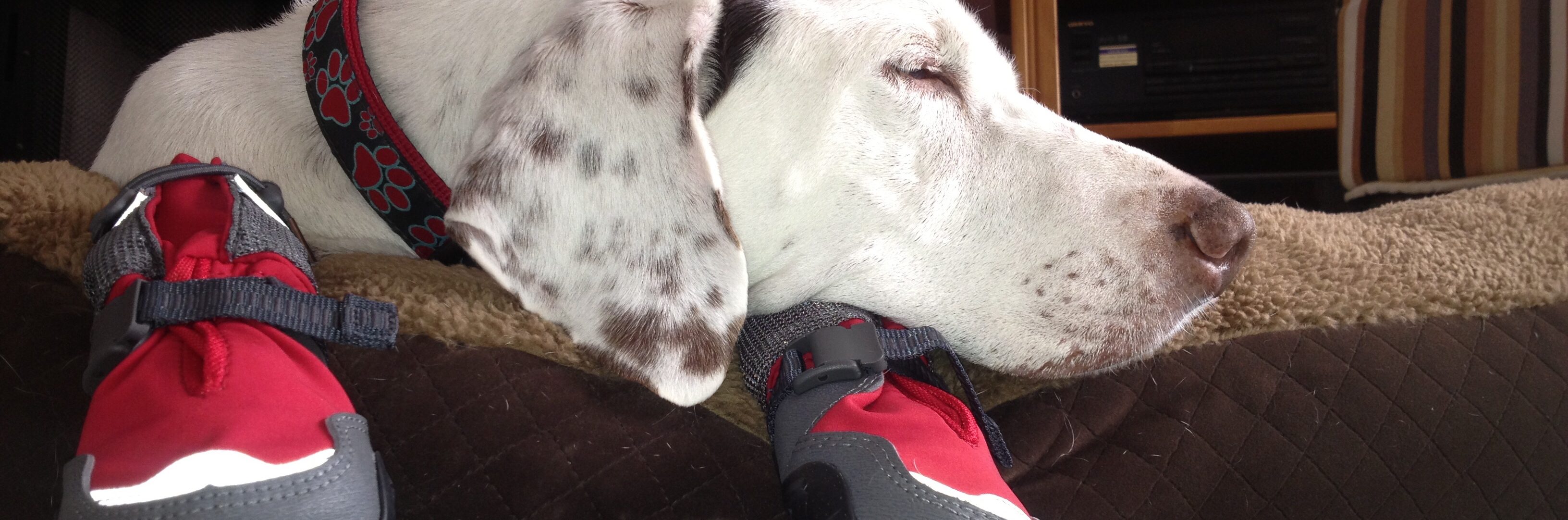
In my next article I will look at some of the first aid practices to keep in mind and the appropriate tools to pack when you bring your four-legged friends.
Good luck on your next adventure.

 Dog Hikes